Nearby city · 24/7
San Leandro locksmith service north up Hesperian, for 1920s and 1940s houses on wide avenues, apartment blocks on the main street and the works west of the tracks
The city over the north line, reached up Hesperian Boulevard or on the Nimitz: houses from the twenties through the forties on wide avenues, arched Spanish-revival front doors with the lock in the edge, apartment blocks strung along the main avenue, a downtown of shops, and a belt of warehouses and yards west of the railroad. Twenty-two minutes from Jackson Street.
4.9 / 5· 598 reviews from Hayward & the unincorporated strip beside it
22 min
Avg. arrival
$89
Service call
24/7
Availability
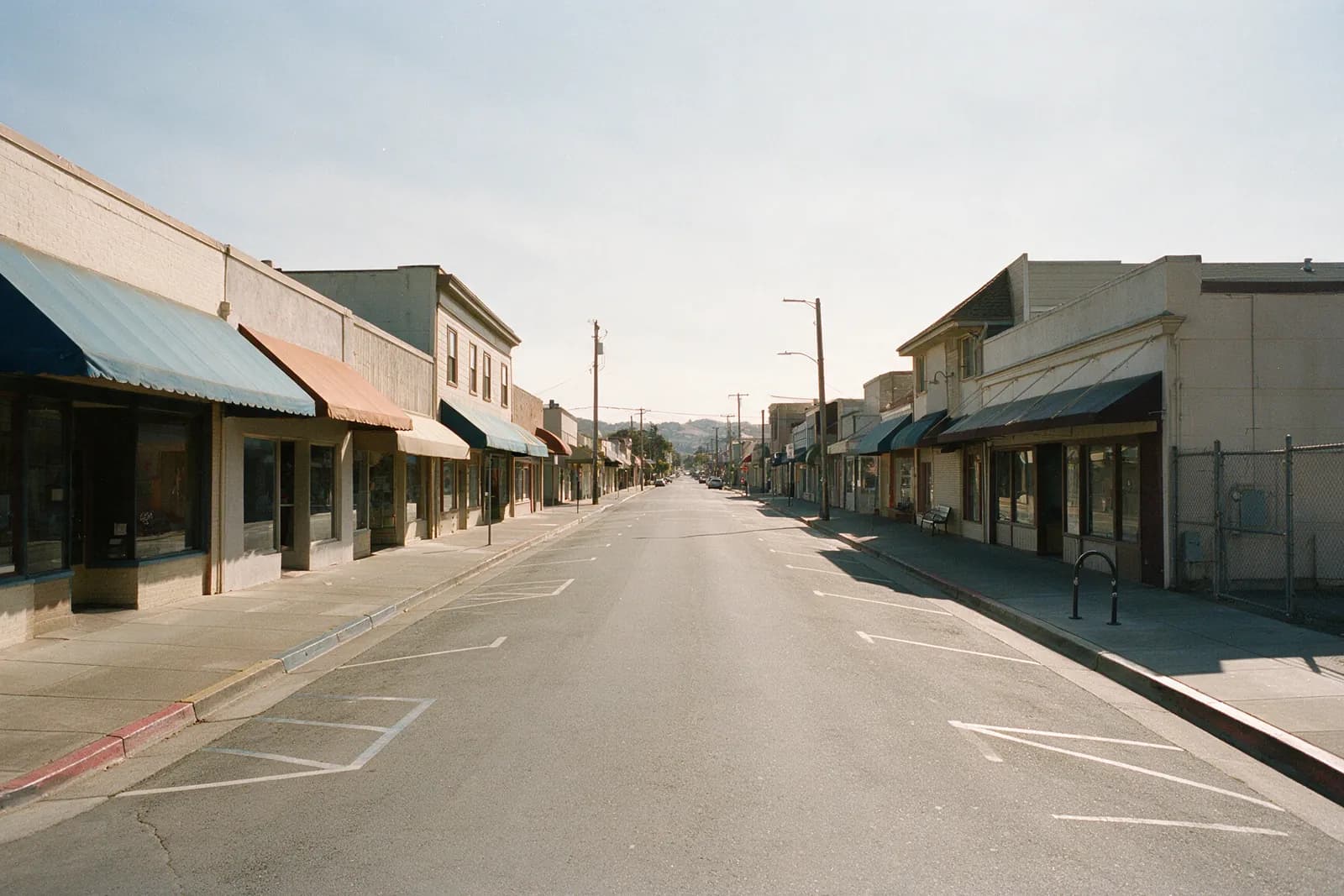
Twenty-two minutes north, on Hesperian when the lights are with it and on the freeway when they are not, and what waits at the other end is older than most of Hayward. The tract streets on this side were laid out in the fifties with a knob on the front door and nothing above it. The avenues over the line went up between the twenties and the forties, so the door is thicker, the jamb is old growth, and the lock is often a mortise case in the edge of the door behind an arched Spanish-revival face. Those cases are worth keeping and nearly always can be. What defeats them is paint and packed graphite rather than wear, so a key that has to be lifted and jiggled before it will turn is a keyway that needs cleaning, and cleaning and repinning is $24 to $39 per cylinder. Only a case cracked at the bolt gets replaced, and a new one fits behind the original plate at $109 to $289 so the front of the house is unchanged from the avenue.
Houses on those avenues carry more doors than a tract lot does. Front, back, a door from the porch into the kitchen, a garage at the end of a long strip driveway, a gate on the side path, and on the deeper lots a room built behind the garage at some point in the last fifty years. A rekey counts every one of them at $24 to $39 per cylinder, and the count is taken on the call so the figure is fixed before anyone drives north. Long ownership is the other thing these blocks share, and it shows up as a ring of keys nobody can account for: a copy to a grown son, one to a neighbor who watered the plants, two to contractors. A lockout is $115 to $199 and the door is picked open. A cylinder from 1936 that gets drilled means a plate no supplier stocks, which turns a twenty-minute job into a repair the household never asked for. A door that stopped latching after a wet week is usually a strike out of line or a hinge that has dropped, and adjusting it costs less than the lock somebody was about to buy.
Two other kinds of address sit over the line. Apartment blocks run the length of the main avenue, three stories with a street door, an entry panel and a courtyard behind, and their calls come from tenants at the end of a shift as often as from managers between leases. A unit lockout is $115 to $199 with the street door included in the figure, an ID and the lease are asked for at the door, and an owner is asked for the same thing on the same doorstep. West of the railroad the ground turns industrial: warehouses, body shops, freight yards and small plants with a man door beside every roll-up and a bar on every rear wall. A business lockout is $125 to $229, steel and storefront door hardware is $145 to $429 per door, and a rear exit device is $279 to $719 per device once it is genuinely past adjusting rather than merely dogged. A door forced over a weekend is repaired at $155 to $399, with the parts and the damage set out in plain words on the receipt for an insurer. Cars in the shopping lots and along the avenues bring lockouts at $95 to $185, and a car left with no key anywhere gets one cut and coded beside it at $139 to $379. The hour makes no difference to how a job is booked: $45 is inside the figure between 8pm and midnight and $80 between midnight and 7am.
Say whether the address is a house on one of the avenues, a unit in a block on the main street, or a business west of the tracks, and give a cross street. If the front door has its lock in the edge rather than through the face, one photo of the inside face settles what comes off the van. For a unit, give the number and say whether the entry panel is working.
FAQ
Asked about San Leandro
You are a Hayward van. Do you really come up here, or is this a listing?+
The van drives up Hesperian Boulevard or takes the freeway, twenty-two minutes on a normal afternoon, and it is the same van and the same figures as inside the city. There is no second crew and no handoff to somebody else. If the estimate is going to be longer because the avenues are slow, that is said on the call instead of afterward.
Our front door is arched with the lock in the edge of it. Is that a part you stock?+
Yes. The avenues over the line went up between the twenties and the forties, so mortise cases, spindles and cylinders for them ride on the van as standard. Most of those locks fail from paint and packed grease rather than wear, so cleaning and repinning at $24 to $39 per cylinder is usually the whole job and the original face stays on the door.
The shops west of the tracks start before dawn. Can a door be sorted before opening?+
That is when a lot of the commercial work out there happens. Before 7am the overnight $80 is inside the figure, and the figure is fixed on the call. A business lockout is $125 to $229, steel and storefront hardware is $145 to $429 a door, and a rear exit device is reset before anyone talks about replacing it.
Open 24 hours, 7 days
The van is already in town, and the number comes before it moves
Hayward, San Lorenzo, Cherryland and Ashland, San Leandro, Castro Valley and Union City, 24/7, holidays included. Describe the door, hear one number with the $89 visit inside it, and the lock gets opened without damage wherever it can be. The receipt says what the call said. It runs the same way whether the lease is in your name or the deed is.